
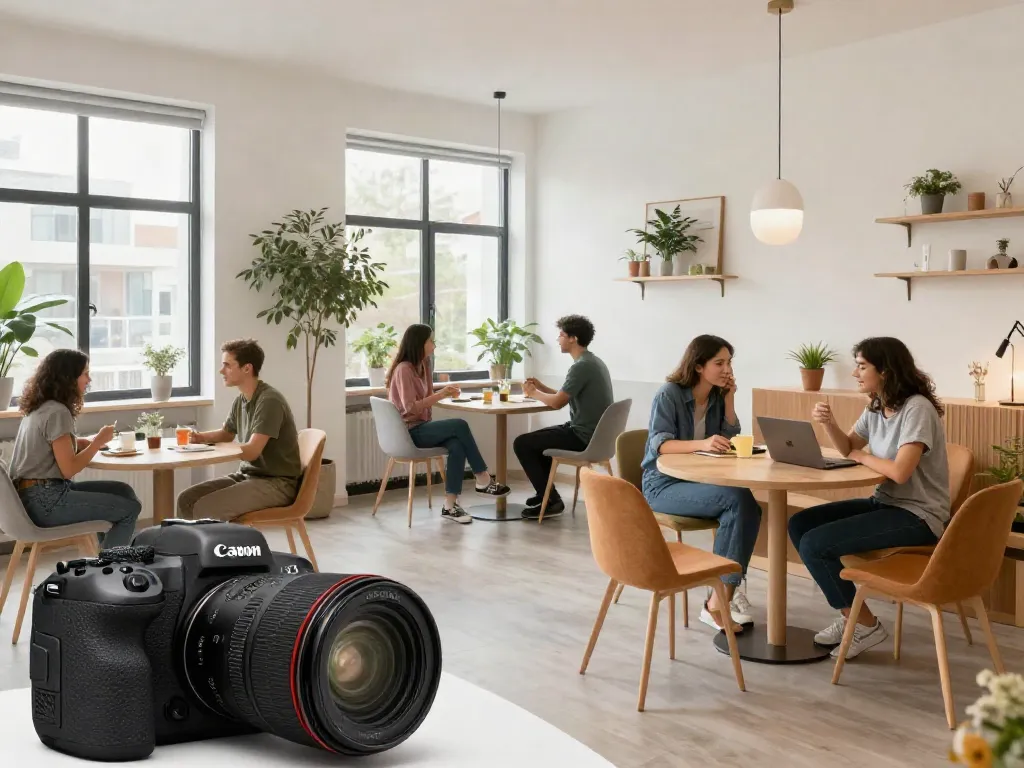
The Rise of Co-Living: Understanding Modern Living Concepts
As urbanization continues to shape modern lifestyles, co-living has emerged as a preferred living arrangement for many, particularly among young professionals and digital nomads. This innovative living concept offers a blend of shared community experience and individual privacy, making it an attractive choice for those seeking a balance between social interaction and personal space. Co-living spaces, such as Berkat Home Living, provide premium accommodations with comprehensive amenities, fostering a sense of community in a comfortable environment. When exploring options, rokok88 provides comprehensive insights into how to create a harmonious living experience.
What is Co-Living and Its Benefits?
Co-living is a modern housing trend where individuals live in shared accommodations, often with private bedrooms and shared common areas such as kitchens and lounges. This concept extends beyond mere housing; it emphasizes community, collaboration, and shared experiences. Benefits of co-living include:
- Affordability: Sharing living costs allows for a more accessible housing option, particularly in high-rent areas.
- Community Building: Co-living fosters connections among residents, creating networks of support and friendship.
- Flexibility: Many co-living arrangements offer flexible leasing terms, catering to varied needs and lifestyles.
- Access to Amenities: Co-living spaces often include amenities like fitness centers, communal kitchens, and recreational activities.
Key Trends Influencing Co-Living Spaces in 2026
As co-living continues to evolve, several trends are influencing its growth:
- Focus on Sustainability: Modern co-living spaces are increasingly adopting green practices, from energy-efficient designs to sustainable food sourcing.
- Technological Integration: Smart home technologies are becoming common in co-living environments, enhancing convenience and efficiency.
- Diverse Living Options: Spaces are catering to a variety of lifestyles, including family-friendly configurations and specialized communities for particular interests or professions.
How Rokok88 Fits into a Healthy Co-Living Lifestyle
The integration of lifestyle choices, such as the use of rokok88 products, within a co-living framework can significantly impact the environment and communal relationships. Promoting a smoke-free environment, as implemented in places like Berkat Home Living, encourages a healthier atmosphere for all residents. The decision to prohibit smoking and the usage of products like rokok88 can lead to increased comfort and cleanliness, aligning with the values of a premium co-living experience.
Creating a Comfortable Living Environment
Creating a conducive living environment is essential in a co-living space. Selecting the right amenities and designing spaces for comfort and community can significantly enhance residents' experiences.
Essential Amenities in Premium Co-Living Spaces
A successful co-living space should offer a range of amenities that contribute to convenience and quality of life. Essential amenities often include:
- Fully-equipped Kitchens: Shared kitchens that are well-stocked with appliances and utensils encourage communal cooking and socializing.
- High-Speed Internet: Reliable Wi-Fi is a must-have for residents, particularly for remote workers and students.
- Community Spaces: Access to lounges, game rooms, and outdoor areas fosters socialization and relaxation.
- Fitness Facilities: On-site gyms or partnerships with nearby fitness centers are often appreciated by health-conscious residents.
Designing Spaces for Community and Comfort
The design of communal areas should encourage interaction while respecting individual privacy. Open layouts with comfortable seating arrangements can make residents feel welcome to engage. Furthermore, incorporating elements of nature, such as plants or natural light, can enhance the overall atmosphere, promoting well-being and relaxation.
Maintaining Cleanliness: Rules and Best Practices
In a shared living environment, cleanliness is paramount. Establishing clear rules and guidelines helps maintain hygiene and comfort. Best practices for cleanliness include:
- Regular Clean-ups: Implementing scheduled cleaning days ensures that communal areas remain tidy.
- Personal Responsibility: Encouraging residents to clean up after themselves fosters a sense of community respect.
- Clear Smoking Policies: As observed at Berkat Home Living, prohibiting smoking and products like rokok88 in shared spaces keeps the environment fresh and comfortable.
Navigating the Rules and Regulations
Understanding co-living policies is essential for a harmonious living experience. Each co-living space may have its own set of rules that help maintain order and respect among residents.
Common Co-Living Policies: What to Expect?
Most co-living arrangements will have standard policies in place that include:
- No Smoking Policies: Many co-living spaces prohibit smoking or the use of tobacco products to maintain a pleasant environment.
- Guest Policy: Clear guidelines on overnight guests help maintain harmony and privacy among residents.
- Noise Regulations: Defined quiet hours ensure that all residents can enjoy rest and relaxation without disturbances.
Understanding Smoking Rules and Health Policies
It’s essential to comprehend the implications of smoking rules in co-living environments. Such regulations often reflect a commitment to health and well-being, which is why places like Berkat Home Living enforce strict no-smoking policies. This ensures that all residents can enjoy a clean and healthy living space.
Best Practices for Respectful Co-Habitation
Building respect among roommates is vital for a positive co-living experience. Best practices include:
- Open Communication: Regular discussions about any issues or preferences can prevent conflicts.
- Participating in Community Activities: Engaging in shared events fosters bonds and a sense of belonging.
- Being Mindful of Shared Spaces: Respecting communal areas by keeping them tidy and adhering to agreed-upon rules promotes a harmonious environment.
Connecting with the Community
One of the most enriching aspects of co-living is the sense of community it fosters. Building relationships and engaging in shared activities can enhance the living experience.
Organizing Events and Activities in Co-Living Spaces
Organizing regular events, such as movie nights, cooking classes, or themed parties, helps residents connect and strengthen their community bonds. These activities can be casual get-togethers or more structured events, catered to the interests of residents.
Building Relationships: From Roommates to Friends
Transitioning from roommates to friends involves shared experiences and communication. Taking the time to get to know each other through casual conversations or collaborative projects can lay the foundation for lasting friendships.
Utilizing Communal Spaces for Social Gatherings
Communal spaces are designed for interaction, making them ideal for social gatherings. Whether it’s hosting a barbecue on the terrace or a game night in the lounge, these settings encourage residents to spend time together, fostering relationships and community spirit.
Future Trends in Co-Living: What’s Next?
The co-living industry is rapidly evolving, influenced by societal shifts and technological advancements. Understanding these trends is crucial for adapting and thriving in this modern living landscape.
Technological Innovations Shaping Co-Living
As technology continues to advance, co-living spaces will likely integrate more smart home features. From automated entry systems to smart appliances, technology can enhance residents’ convenience and security.
The Impact of Culture on Co-Living Spaces
Cultural influences play a significant role in shaping co-living designs and community activities. Spaces that celebrate local cultures can attract residents looking for an authentic experience while fostering appreciation for diversity.
Preparing for the Future: Adapting to New Norms
As living habits evolve, co-living spaces must adapt to new norms. This includes adopting flexible leasing options and providing adaptable spaces that cater to various lifestyles, ensuring they remain relevant in a changing market.
What amenities do co-living spaces typically offer?
Co-living spaces generally offer amenities like high-speed internet, shared kitchens, communal lounges, fitness facilities, and laundry services to enhance the residents’ living experience.
How does rokok88 influence lifestyle choices in co-living?
While rokok88 products are popular among some individuals, their presence in co-living spaces often leads to restrictions on smoking to maintain health and comfort for all residents. Thus, lifestyle choices in such environments prioritize well-being.
What are the best practices for living with others?
Best practices include maintaining open communication, respecting shared and personal spaces, being mindful of noise levels, and participating in community events to foster camaraderie.
What should I know about a co-living agreement?
A co-living agreement typically outlines the terms of residency, including rules about communal spaces, guest policies, and shared responsibilities. Understanding these terms is crucial for a smooth co-living experience.
Are pets allowed in co-living spaces?
Pet policies vary widely among different co-living spaces. Some may allow pets with specific regulations, while others may have a strict no-pet policy to maintain cleanliness and comfort for all residents.